 EV Charger Scout
The EV connector landscape in 2026 looks dramatically different from just three years ago — at least in North America. Globally, the picture is more stable: Europe has had CCS2 for years and isn't changing; China runs GB/T; Japan is slowly transitioning from CHAdeMO. This guide gives you a single reference point for all of it: every connector type, which vehicles use them by region, and what adapter gets you from one to another.
Every Connector Type in Use in 2026
NACS / SAE J3400
The compact oval connector originally developed by Tesla, now standardized as SAE J3400 and adopted by virtually every major North American automaker. Handles both AC Level 2 (up to 19.2kW in North America) and DC fast charging (500kW+ rated) through a single, small port. Standard on all new North American EV production from 2025 onward. Used on Tesla vehicles in all markets where Tesla hasn't transitioned to CCS2 (mostly historical US market).
CCS1 / Combo 1
J1772 AC connector on top with two large DC fast-charge pins below. The North American DC fast charging standard from 2015 to 2024. Still fitted to millions of vehicles on the road. DC charging rated to 350kW. CCS1-only charging stations are becoming increasingly rare as networks add NACS alongside or in replacement.
CCS2 / Combo 2
Type 2 (Mennekes) AC connector on top with the same DC fast-charge pins below. The DC fast charging standard for Europe, Australia, the Middle East, and most non-China/Japan global markets. DC rated to 350kW. Mandated for new public DC infrastructure under EU regulation. Used by Tesla in Europe and Australia.
J1772 / Type 1 (AC only)
The standard AC-only connector for Level 1 and Level 2 charging in North America and Japan. Five-pin, round connector. No DC fast charging capability — the DC pins are added below it to form CCS1. Found on every non-NACS Level 2 public station and virtually all home wallboxes in North America installed before 2026.
DC Fast Charging Upgrade · EV Shop

Lectron CCS-to-NACS Adapter for Tesla
UL 2252 Certified — Charge Your Tesla at Any CCS DC Fast Charger
* Amazon affiliate link — EV Charger Scout may earn a small commission at no extra cost to you.
Type 2 / Mennekes (AC only)
The standard AC charging connector for Europe, Australia, and most global markets outside North America and Japan. Seven-pin. Supports single-phase (up to 7.4kW) and three-phase (up to 22kW) AC. DC fast charging is handled separately via the CCS2 combined standard.
CHAdeMO
A large round DC fast charging connector developed by Japanese automakers. Independent from the AC port (vehicles have both a CHAdeMO and a Type 1/Type 2 AC connector). Rated to 200kW for legacy installations; a proposed 500kW "CHAdeMO 3.0" exists but has not been widely deployed. Found primarily in Japan; declining in Europe and North America. No new vehicles from major global automakers are being launched with CHAdeMO in 2026.
GB/T (AC and DC)
China's national standard, mandated for all EVs and charging infrastructure in mainland China. Two separate connectors — one for AC (similar form factor to Type 1) and one for DC fast charging (larger, different pin layout). The DC connector supports up to 250kW under the current GB/T 18487 standard. Every EV sold in China uses GB/T, and Chinese-market vehicles exported to other countries are re-specified with the regional connector standard.
| Connector | Type | Max AC | Max DC | Primary Markets |
|---|---|---|---|---|
| NACS (SAE J3400) | AC + DC combined | 19.2 kW | 500+ kW | North America (new vehicles) |
| CCS1 (Combo 1) | DC + J1772 AC | 19.2 kW | 350 kW | North America (legacy) |
| CCS2 (Combo 2) | DC + Type 2 AC | 22 kW | 350 kW | Europe, Australia, Middle East |
| J1772 (Type 1) | AC only | 19.2 kW | — | North America, Japan |
| Type 2 (Mennekes) | AC only | 22 kW | — | Europe, Australia |
| CHAdeMO | DC only | — | 200 kW | Japan (legacy) |
| GB/T DC | DC only | — | 250 kW | China |
| GB/T AC | AC only | 7 kW | — | China |
2026 Vehicle Connector Reference — North America
Native NACS (2025–2026 Model Year)
| Vehicle | AC Connector | DC Connector |
|---|---|---|
| Ford F-150 Lightning 2025+ | NACS | NACS |
| Ford Mustang Mach-E 2025+ | NACS | NACS |
| Chevrolet Equinox EV 2025+ | NACS | NACS |
| Chevrolet Blazer EV 2025+ | NACS | NACS |
| Chevrolet Silverado EV 2025+ | NACS | NACS |
| GMC Sierra EV 2025+ | NACS | NACS |
| GMC Hummer EV 2025+ | NACS | NACS |
| Cadillac LYRIQ 2025+ | NACS | NACS |
| Cadillac ESCALADE iQ 2025+ | NACS | NACS |
| Rivian R2 (2026+, all builds) | NACS | NACS |
| BMW iX / i4 / i5 / i7 2025+ | NACS | NACS |
| Hyundai IONIQ 5/6/9 2025+ | NACS | NACS |
| Kia EV6/EV9 2025+ | NACS | NACS |
| Genesis GV60/GV70e 2025+ | NACS | NACS |
| Volkswagen ID.4/ID.Buzz 2025+ | NACS | NACS |
| Audi Q4/Q6/Q8 e-tron 2025+ | NACS | NACS |
| Porsche Taycan/Macan EV 2025+ | NACS | NACS |
| Mercedes EQS/EQE/EQA/EQB 2025+ | NACS | NACS |
| Ram 1500 REV 2025+ | NACS | NACS |
| Dodge Charger Daytona EV 2025+ | NACS | NACS |
| Tesla (all models, NA, all years) | NACS | NACS |
CCS1 (2022–2024 Model Year — Still on the Road)
| Vehicle | AC Connector | DC Connector | Supercharger Adapter |
|---|---|---|---|
| Ford F-150 Lightning 2022–2023 | J1772 | CCS1 | CCS1→NACS required |
| Ford Mustang Mach-E 2021–2023 | J1772 | CCS1 | CCS1→NACS required |
| Rivian R1T/R1S pre-mid-2024 | J1772 | CCS1 | CCS1→NACS (Rivian adapter provided) |
| Chevy Equinox EV / Blazer EV 2024 | J1772 | CCS1 | CCS1→NACS required |
| GM vehicles (most pre-2025) | J1772 | CCS1 | CCS1→NACS required |
| BMW iX/i4/i5/i7 (pre-2025) | J1772 | CCS1 | CCS1→NACS required |
| Hyundai IONIQ 5/6, Kia EV6 (pre-2025) | J1772 | CCS1 | CCS1→NACS required |
| VW ID.4, Audi Q4 e-tron (pre-2025) | J1772 | CCS1 | CCS1→NACS required |
| Porsche Taycan (pre-2025 NA) | J1772 | CCS1 | CCS1→NACS required |
| Mercedes EQS/EQE (pre-2025 NA) | J1772 | CCS1 | CCS1→NACS required |
| Nissan Ariya (all NA years) | J1772 | CCS1 | CCS1→NACS required |
| Lucid Air (all current NA years) | J1772 | CCS1 | CCS1→NACS required |
| Honda Prologue 2024 | J1772 | CCS1 | CCS1→NACS required |
For 2024 model year vehicles from Ford, GM, and others, production runs were split between CCS1 and NACS depending on build date. Check your window sticker, VIN, or manufacturer app to confirm your specific vehicle's connector before purchasing an adapter.
EV Tech Pick · EV Shop
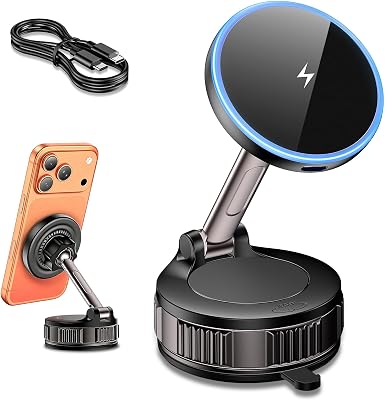
ESR Magnetic Wireless Car Charger Mount
Strongest Magnetic Wireless Charger — Adjustable Arm, Fast Charging
* Amazon affiliate link — EV Charger Scout may earn a small commission at no extra cost to you.
2026 Vehicle Connector Reference — Europe and UK
| Vehicle | AC Connector | DC Connector |
|---|---|---|
| Tesla Model 3/Y/S/X (EU/UK, post-2022) | Type 2 | CCS2 |
| Ford Mustang Mach-E (EU/UK) | Type 2 | CCS2 |
| VW ID.3/ID.4/ID.5/ID.7/ID.Buzz (EU) | Type 2 | CCS2 |
| Audi Q4/Q6/Q8 e-tron (EU) | Type 2 | CCS2 |
| Porsche Taycan/Macan EV (EU) | Type 2 | CCS2 |
| BMW iX/i4/i5/i7 (EU) | Type 2 | CCS2 |
| MINI Aceman/Countryman EV (EU) | Type 2 | CCS2 |
| Mercedes EQA/EQB/EQC/EQE/EQS (EU) | Type 2 | CCS2 |
| Hyundai IONIQ 5/6/9 (EU) | Type 2 | CCS2 |
| Kia EV3/EV6/EV9 (EU) | Type 2 | CCS2 |
| Genesis GV60/GV80e (EU) | Type 2 | CCS2 |
| Renault 5 EV / Megane E-Tech (EU) | Type 2 | CCS2 |
| Peugeot e-308/e-3008/e-5008 (EU) | Type 2 | CCS2 |
| Polestar 2/3/4 (EU) | Type 2 | CCS2 |
| Volvo EX30/EX40/EX90 (EU) | Type 2 | CCS2 |
| BYD Atto 3/Seal/Dolphin/Seal U (EU) | Type 2 | CCS2 |
| Nissan Ariya (EU) | Type 2 | CCS2 |
| Nissan LEAF (EU, legacy) | Type 2 | CHAdeMO |
Adapter Compatibility Matrix
| You have → | NACS station | CCS1 station | CCS2 station | CHAdeMO station |
|---|---|---|---|---|
| NACS vehicle | ✅ Direct | Adapter needed: NACS→CCS1 | ❌ Not compatible | ❌ Not compatible |
| CCS1 vehicle | Adapter needed: CCS1→NACS | ✅ Direct | ❌ Not compatible | ❌ Not compatible |
| CCS2 vehicle | ❌ Not compatible (NA) | ❌ Not compatible | ✅ Direct | ❌ Not compatible |
| CHAdeMO vehicle | ❌ Not compatible | ❌ Not compatible | ❌ Not compatible | ✅ Direct |
| GB/T vehicle (China) | ❌ Outside CN | ❌ Outside CN | ❌ Outside CN | ❌ Not compatible |
CCS1 and CCS2 are NOT interchangeable despite both being called "CCS." They use different AC connector upper sections (J1772 vs. Type 2) and adapters between them are not widely available or certified. A European CCS2 vehicle cannot use a North American CCS1 station and vice versa without a CCS2-to-CCS1 adapter — which is not a commonly available product. Plan accordingly when traveling.
What Connector Does Your Car Have? (Quick Identification)
If you're unsure, the physical shape is the definitive test:
- →Compact oval, about the width of two fingers, single small opening — NACS. Used on all new North American EVs and historical Tesla vehicles.
- →Large combined opening: round upper section + two rectangular lower pins — CCS1 if the upper section has five pins in a circular arrangement (J1772); CCS2 if the upper section has seven pins including three larger power pins (Type 2).
- →Large round separate connector, separate from an AC port nearby — CHAdeMO. Look for the circular CHAdeMO housing, which is distinct from the separate J1772 or Type 2 AC port nearby.
- →Round/oval shaped with a flat pin arrangement, China-market vehicle — GB/T. GB/T DC has a distinctive rectangular contact arrangement that differs from CCS.
International Travel Checklist
- 1Confirm your vehicle's connector type before planning any international EV trip.
- 2Research the dominant charging standard in your destination country (CCS2 in Europe/AU, CHAdeMO or CCS2 in Japan, GB/T in China).
- 3Check whether adapters between your connector and the destination standard are available and certified for your vehicle.
- 4Download the charging network apps relevant to your destination before you leave your home market.
- 5Use EV Charger Scout or PlugShare to map charging stops along your international route before departure.
- 6Consider the option of renting a local EV with native connector compatibility rather than shipping or driving your own vehicle internationally.
Use the filter panel in EV Charger Scout to search stations by connector type — NACS, CCS, CHAdeMO, or any combination. The station detail view shows per-port connector information so you can confirm compatibility before committing to a stop in any market.
Frequently Asked Questions
What EV connectors are in use around the world in 2026?
The main connectors are NACS (SAE J3400), CCS1, CCS2, J1772 (Type 1), Type 2 (Mennekes), CHAdeMO, and China's GB/T. NACS is now standard on new North American EVs, CCS2 dominates Europe and Australia, GB/T is mandated in China, and CHAdeMO is a declining legacy DC standard found mainly in Japan.
What is the difference between CCS1 and CCS2?
Both combine an AC connector on top with two DC fast-charge pins below, but they use different AC sections — J1772 for CCS1 and Type 2 for CCS2. CCS1 is the North American legacy DC standard while CCS2 is used across Europe, Australia, and most global markets. They are not interchangeable, and adapters between them are not widely available or certified.
Does a NACS vehicle need an adapter to use a CCS1 station?
Yes. A NACS vehicle plugs directly into NACS stations, but needs a NACS-to-CCS1 adapter to charge at a CCS1 station. Likewise, a CCS1 vehicle needs a CCS1-to-NACS adapter to use NACS stations such as Tesla Superchargers.
How can I tell which connector my car uses?
The physical shape is the definitive test. NACS is a compact oval about the width of two fingers with a single small opening; CCS has a large combined opening with a round upper section and two rectangular lower pins; CHAdeMO is a large round connector separate from the AC port; and GB/T has a distinctive flat pin arrangement on China-market vehicles.
Can a European CCS2 car charge at a North American CCS1 station?
No. Despite both being called “CCS,” CCS1 and CCS2 use different AC upper sections and are physically incompatible. A CCS2-to-CCS1 adapter is not a commonly available product, so plan your charging around the dominant standard in whatever region you are traveling.
More guides on Charging 101
Explore the full Charging 101 topic hub — related guides that build on this one.
You Just Bought Your First EV – Now What? The Complete New Owner Guide & Checklist
13 min read
EV Charging Station Types Explained: Level 1, Level 2, and DC Fast Charging
8 min read
EV Battery Life in 2026: How Long It Really Lasts and 7 Proven Ways to Slow Degradation
14 min read
Tesla Charging in North America: The Owner's Guide to NACS, Adapters, and What's New in 2026
13 min read
NACS vs. CCS Adapters: A Global Guide for EV Drivers
10 min read